Scottish Regiments in the First World War
Research soldiers who served in the ten Scottish infantry regiments of the British Army during the First World War. Explore our growing collection of specialist WWI regiment research hubs, each bringing together unique research, historical context and practical guidance that can help unlock new insights into an individual soldier's wartime service.
Explore the Scottish Regiment Research Hubs
Each research hub is dedicated to a single Scottish infantry regiment, bringing together original research, historical context and practical guidance to support research into the soldiers who served during the First World War.
Argyll & Sutherland Highlanders
One of Scotland's best-known Highland regiments, remembered for generations of dedicated service and an enduring regimental identity.
Black Watch (Royal Highland Regiment)
One of the world's most famous Highland regiments, celebrated for its distinctive traditions, courage and remarkable wartime record.
Cameronians (Scottish Rifles)
Famous as Britain's only rifle regiment with a unique religious heritage, combining distinctive traditions with exceptional battlefield service.
Gordon Highlanders
Instantly recognisable by their famous cap badge, the Gordon Highlanders built a formidable reputation for determination and battlefield excellence.
Highland Light Infantry
Glasgow's famous infantry regiment, combining Highland traditions with an outstanding record of service across the British Empire.
King's Own Scottish Borderers
A proud Lowland regiment whose long and distinguished history saw service from the Napoleonic Wars to the trenches of the Western Front.
Queen's Own Cameron Highlanders
A distinguished Highland regiment whose proud traditions and fierce reputation made it one of Scotland's most respected fighting units.
Royal Scots
Britain's oldest infantry regiment, with a military heritage stretching back to 1633 and distinguished service across centuries of warfare.
Royal Scots Fusiliers
Renowned for their professionalism and fighting spirit, the Royal Scots Fusiliers earned an enviable reputation on battlefields around the world.
Seaforth Highlanders
Raised from the Highlands of northern Scotland, the Seaforth Highlanders became renowned for resilience, discipline and distinguished overseas service.
Understanding Scotland's Infantry Regiments
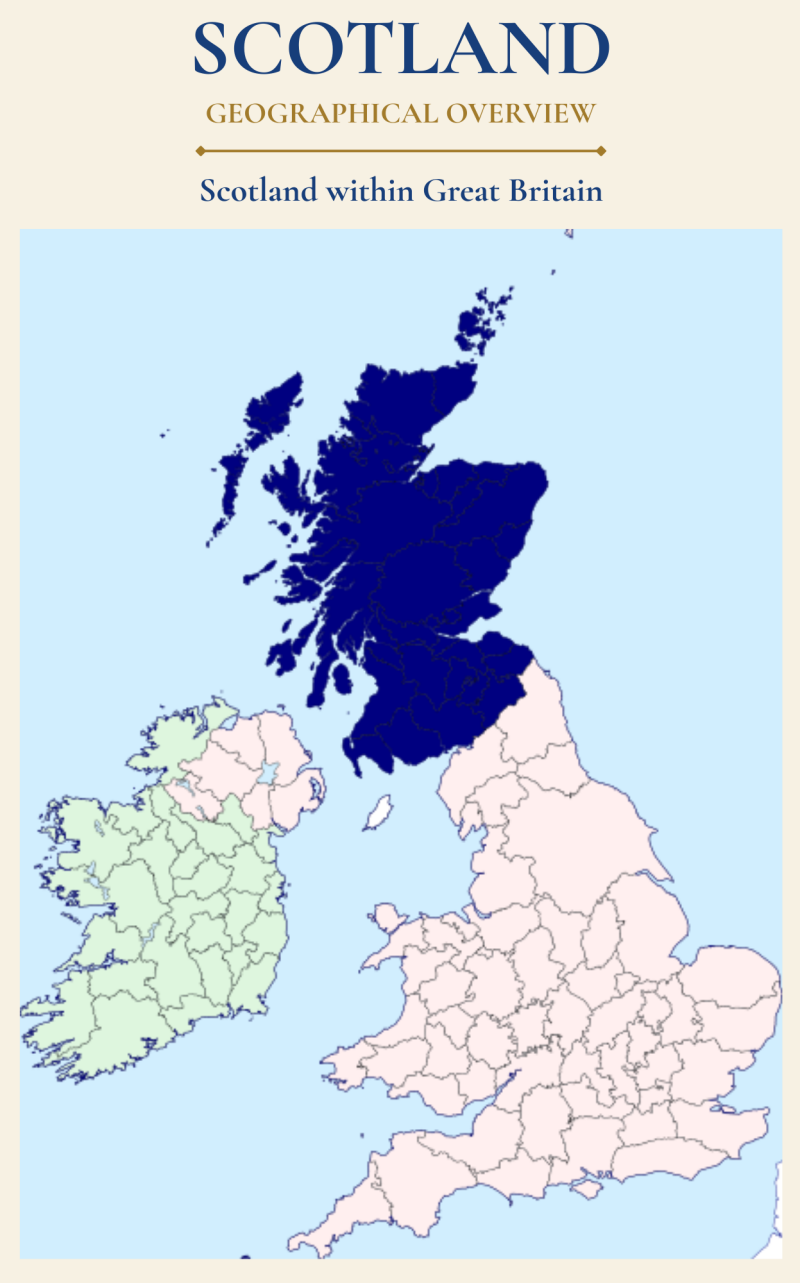
Scotland's Military Tradition
Scotland has long been recognised for producing some of the British Army's most famous and distinguished infantry regiments. From the oldest regiment in the British Army to world-renowned Highland formations, Scottish soldiers earned an enduring reputation for discipline, courage and professionalism across centuries of military service. By the outbreak of the First World War in 1914, these historic regiments formed an important part of Britain's regular army while also maintaining strong Territorial Force traditions and local identities.
The demands of the First World War transformed Scotland's infantry regiments on an unprecedented scale. Existing battalions expanded rapidly, new Service Battalions were raised as part of Kitchener's New Army, and Territorial units prepared for overseas service. Together, the ten Scottish infantry regiments contributed dozens of battalions that fought in every major theatre of the war, from the opening battles of 1914 through to the final Allied offensives of 1918.
Today, these regiments remain among the most researched formations of the First World War. Whether you are tracing a family member, studying a particular battalion or exploring Scotland's military heritage, understanding the regiment in which a soldier served provides valuable context for interpreting his wartime experience. The specialist research hubs on this page examine each Scottish regiment individually, bringing together historical background, unique research and practical guidance to support further investigation.
Highland and Lowland Traditions
One of the defining characteristics of the Scottish infantry regiments was the distinction between the Highland regiments and Lowland regiments. Although all formed part of the British Army and fought together during the First World War, these historic regiments developed different traditions, customs and identities over centuries of military service. Understanding the difference between Highland and Lowland regiments provides valuable insight into Scotland's rich military heritage and the enduring reputation of its soldiers.
The Highland regiments became famous throughout the British Empire for their distinctive military traditions. Their kilts, tartans, feather bonnets and pipe bands created an instantly recognisable identity that set them apart from almost every other infantry regiment in the British Army. During the Great War, renowned Scottish regiments including the Black Watch, Gordon Highlanders, Seaforth Highlanders, Queen's Own Cameron Highlanders and Argyll & Sutherland Highlanders carried these traditions onto battlefields across France and Flanders, Gallipoli, Mesopotamia and many other theatres of war.
The Lowland regiments developed an equally proud but distinctly different character. Rather than drawing upon Highland customs, regiments such as the Royal Scots, Royal Scots Fusiliers, King's Own Scottish Borderers and Cameronians (Scottish Rifles) reflected the history of Scotland's cities, market towns and border counties. Each maintained its own customs, battle honours and regimental identity while contributing to the outstanding reputation earned by Scottish soldiers during the First World War.
Although the differences between Highland and Lowland regiments remained an important part of Scottish military life, they shared a common commitment to service and sacrifice. Together, the Scottish regiments formed one of the most respected and recognisable groups within the British Army, combining centuries of tradition with distinguished service during the First World War. Today, the history of Scotland's infantry regiments continues to attract military historians, family researchers and anyone seeking to understand the remarkable contribution of Scottish soldiers to the Great War.
Frequently Asked Questions About Scottish Regiments
Continue Your Research
Whether you already know a soldier's service number, regiment or battalion, or you're just beginning your research, the Army Service Explorer helps you identify the most likely unit, explore its history and discover where it served during the First World War.
Or Explore Another Regiment Library
The Army Service Explorer covers infantry regiments from across Britain and Ireland. Continue exploring our growing collection of regional First World War regiment libraries.
Or compare with WWII Regiments and Corps here