If you have discovered a British Army service number while researching a First World War ancestor, you may be surprised by how much information it can reveal. Service numbers were not random, they were issued sequentially by regiments and often provide valuable clues about when a soldier enlisted and which battalion he first joined.
Because historians have reconstructed many of these number ranges, a service number can sometimes help identify a soldier’s likely unit, enlistment period, and the campaigns he may have fought in.
What does a WW1 British Army service number tell you?
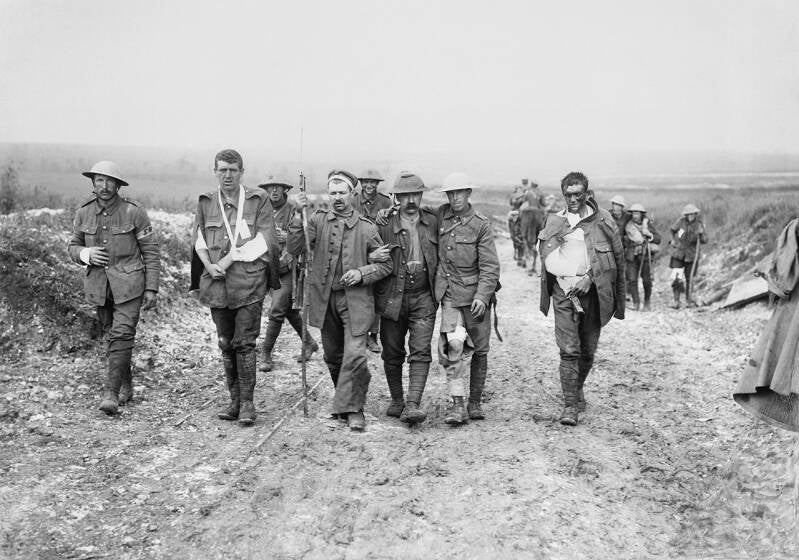
A First World War British Army service number can often reveal several important clues about a soldier’s service:
-
The regiment he joined
-
The approximate date of enlistment
-
Whether he joined the Regular Army, Territorial Force, or Kitchener’s New Army
-
In some cases, the battalion he likely served with
While a service number alone cannot tell the full story, it often provides a crucial starting point for further research.
Why service numbers were introduced
Before the First World War, each regiment issued its own service numbers to new recruits. These numbers were usually assigned sequentially as men enlisted.
When the war began in August 1914, the British Army expanded at an unprecedented rate. Millions of men volunteered for service, and regiments continued issuing numbers as new battalions were raised.
Because of this system, lower service numbers generally belong to soldiers who enlisted earlier, while higher numbers often indicate later recruits.
Regular Army, Territorial Force and New Army numbers
Different parts of the British Army used service numbers slightly differently.
Regular Army
Regular soldiers who enlisted before the war often have relatively low service numbers. These men formed the professional core of the army that fought in the early battles of 1914.
Territorial Force
Territorial Force soldiers originally had their own numbering systems within each battalion. In 1917 the army introduced a major renumbering scheme, issuing many Territorial soldiers with new six-digit service numbers.
Kitchener’s New Army
Large numbers of volunteers joined the army during 1914–1915 as part of Kitchener’s New Army. These soldiers typically received service numbers in higher ranges than the pre-war regulars.
Example: what a service number can reveal
For example, a King’s Own Yorkshire Light Infantry (KOYLI) service number between 11001 and 14400 falls within a block issued to the 1st or 2nd (Regular) Battalion between August 1914 and early 1916.
Numbers in this range typically belong to soldiers who joined the Regular Army during the early expansion of the war. Men in 2nd battalion later fought in major campaigns including Loos, the Somme, Passchendaele, and the Hundred Days Offensive. However, we also identify that 1st battalion were based in the eastern Mediterranean theatre for the majority of the Great War.
Recruitment for KOYLI was often concentrated around areas such as Pontefract, the South Yorkshire coalfields, and Wakefield.
By comparing a service number with reconstructed regimental number blocks like this, historians can often estimate when a soldier enlisted and the type of battalion he likely joined.
Try the British Army Service Number Tool
If you have discovered a service number in your family research, you can use our British Army Service Number Tool to explore what it may reveal.
The tool analyses thousands of reconstructed service number ranges and can estimate:
-
Likely regiment and battalion
-
Approximate enlistment period
-
Possible theatres of war
-
Recruitment hotspots connected to the regiment
This provides a starting point for understanding a soldier’s wartime journey.
Understanding the limits of service numbers
Although service numbers can provide valuable clues, they are not always definitive.
Soldiers were sometimes transferred between units, renumbered, or issued new numbers during their service. As a result, service numbers should always be interpreted alongside other records such as medal rolls, service files, and war diaries.
However, when combined with other evidence, they remain one of the most useful starting points for researching a First World War soldier.